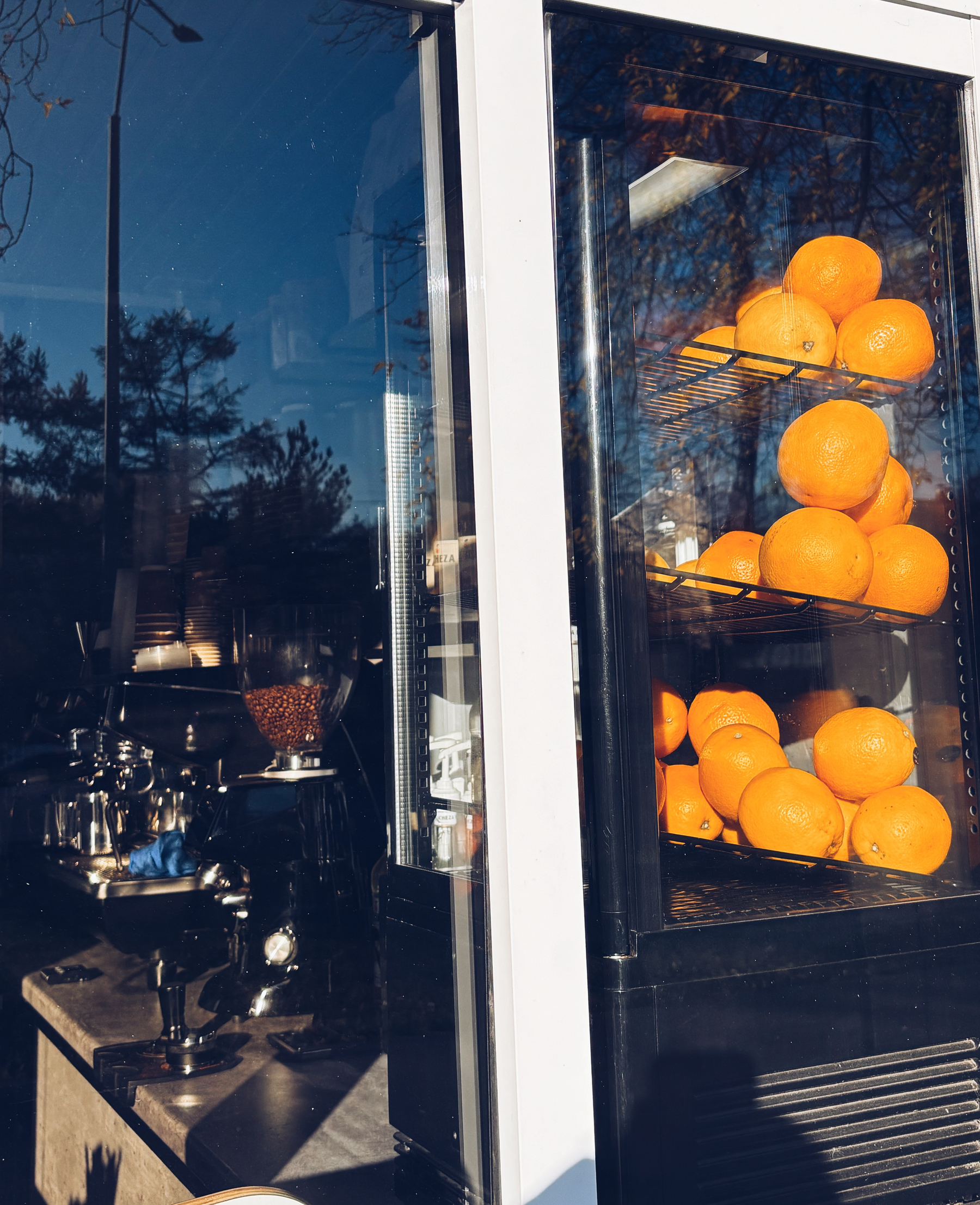
#dailyphoto
English is not my first language. I write these notes in English for practice and to broaden my potential audience. I don’t use AI to write them or translate them for me, I just use it to find errors and to explain them to me.
This is quite a streamlined process, but sometimes it stops me from writing quick notes because it feels like overkill to even start this process for them. And I feel I lose some precious moments because of that.
I don’t know how to organize that. I want to continue writing in English, I want to capture some thoughts in Russian, I don’t want to write a thought twice in different languages and I don’t want to use AI for autotranslation.
Watched Fjord this week. I didn’t like the movie, not because it’s bad (it’s ok), but because from where I stand (in the year 2026, I mean), we have to remember the main idea of this film every day to stay human. And the movie looks like an oversimplification of it, and it’s scary if this idea in this form is something new to the Cannes committee. And the idea, as I see it, is: when you outsource your values and your judgement to some external system of thought, it’s so easy to lose the meaning and the very purpose, and to do huge harm to real, live, warm people. boxd.it/RVja
sudden hot air baloons on a saturday field walk
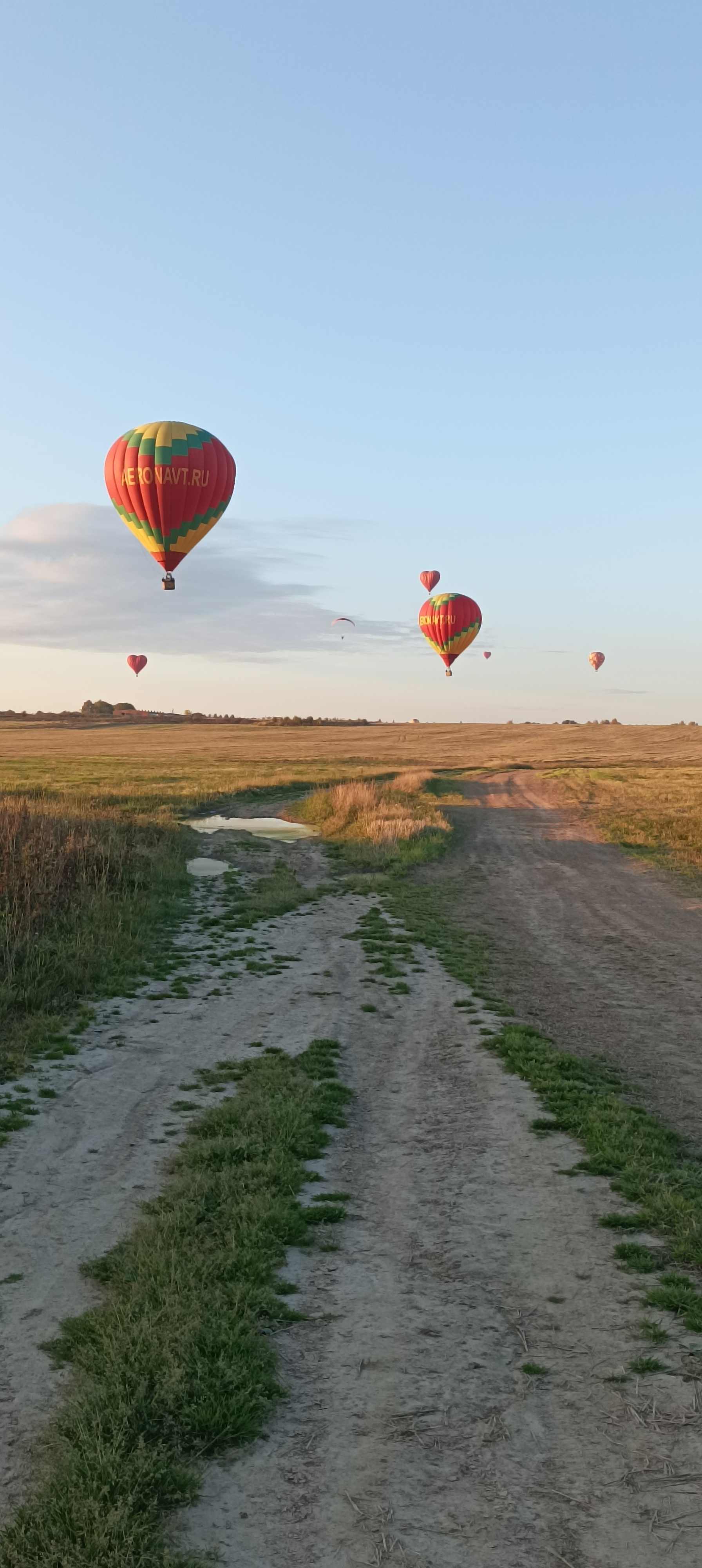
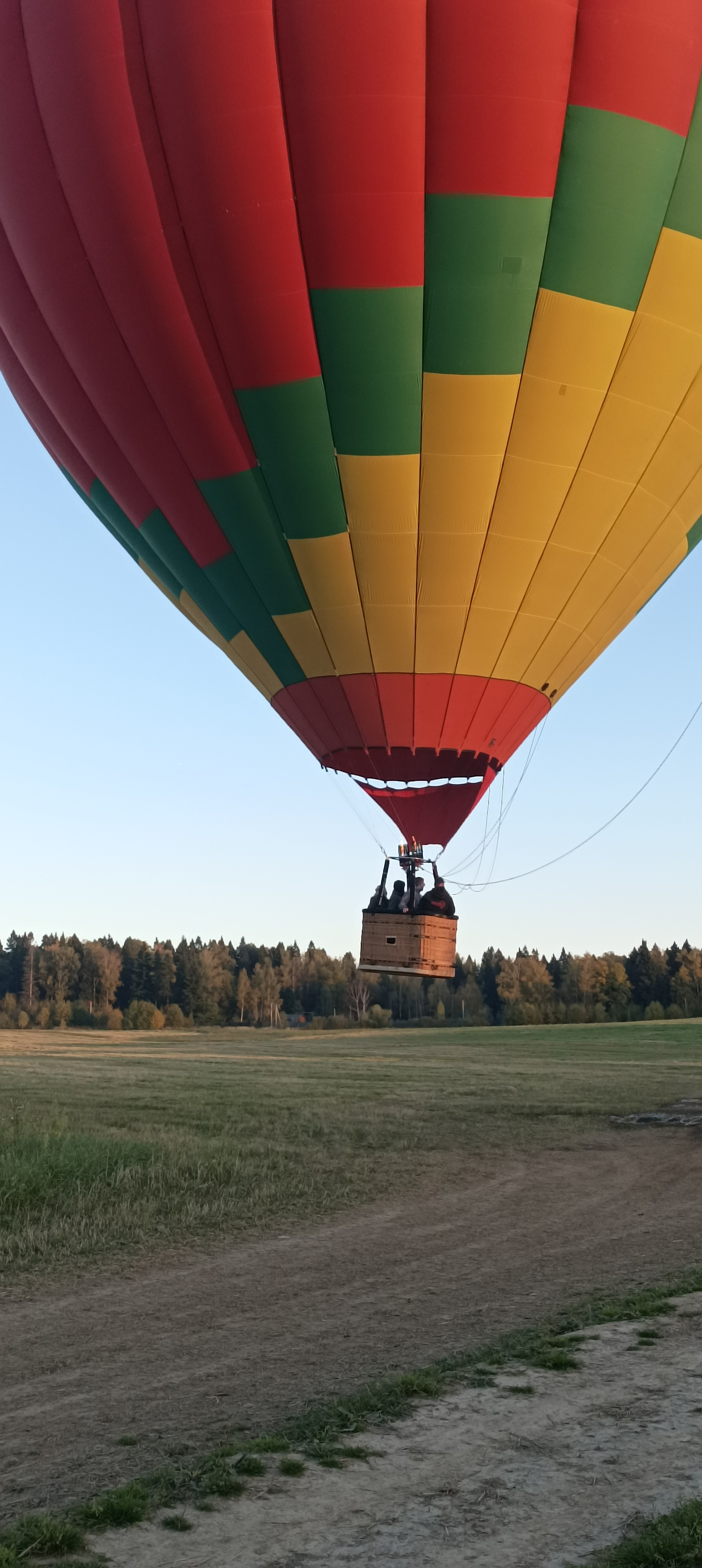
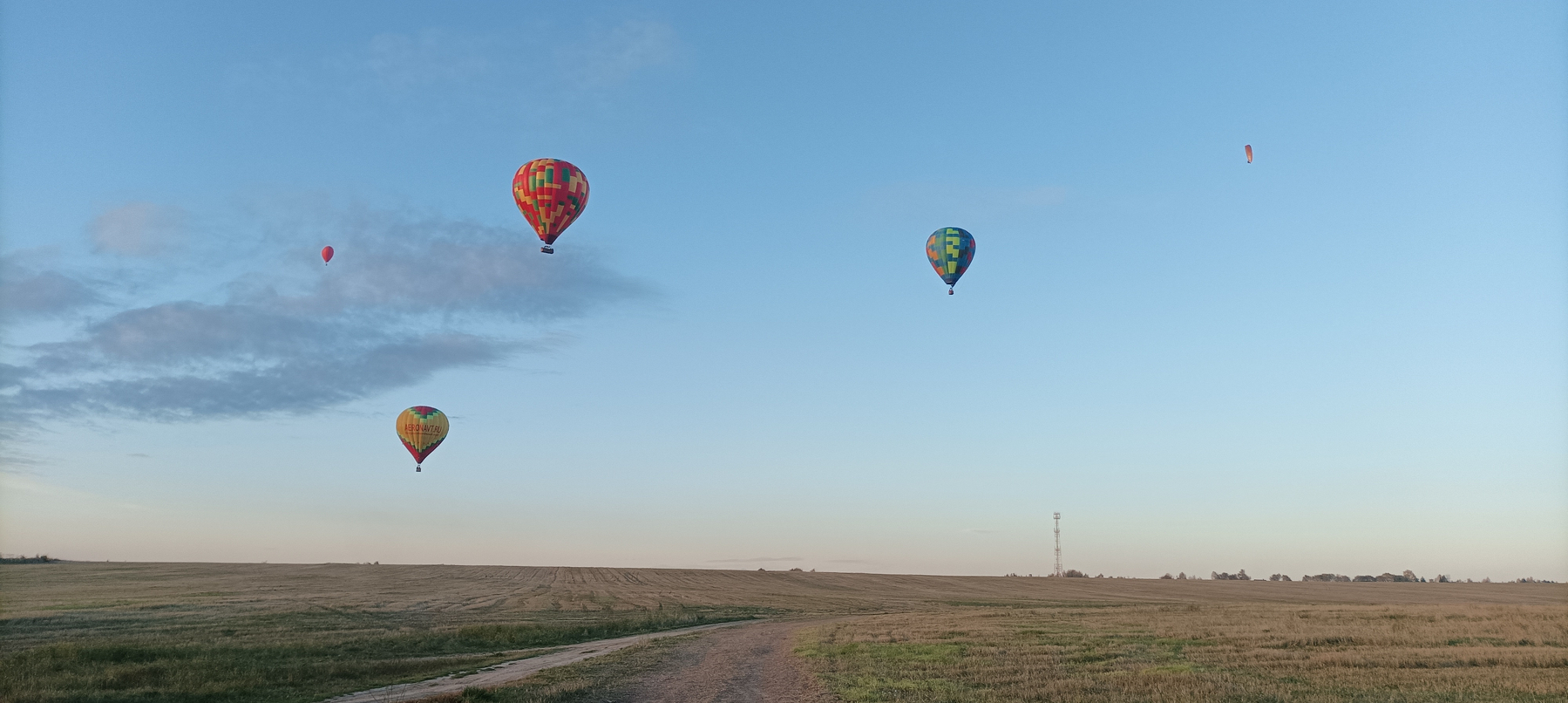
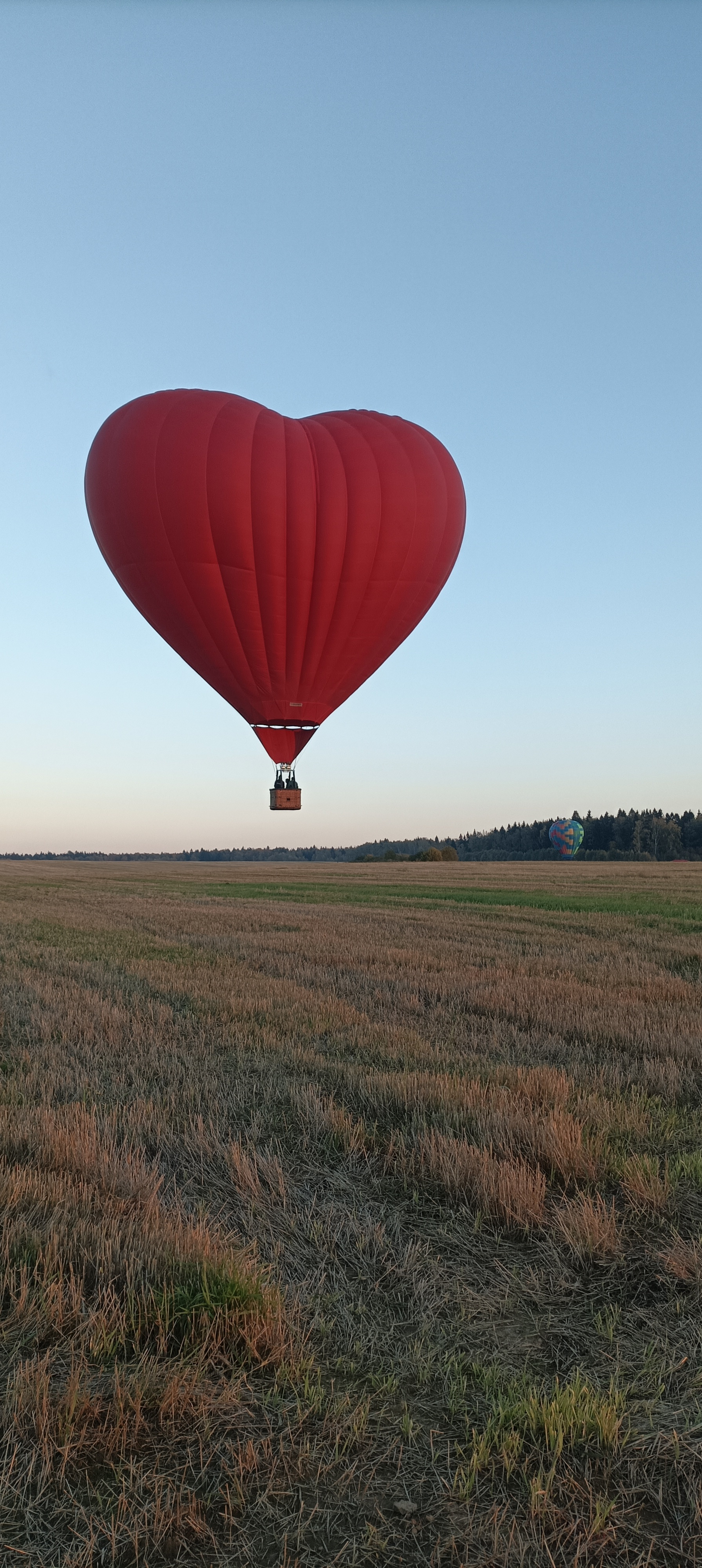
#dailyphoto
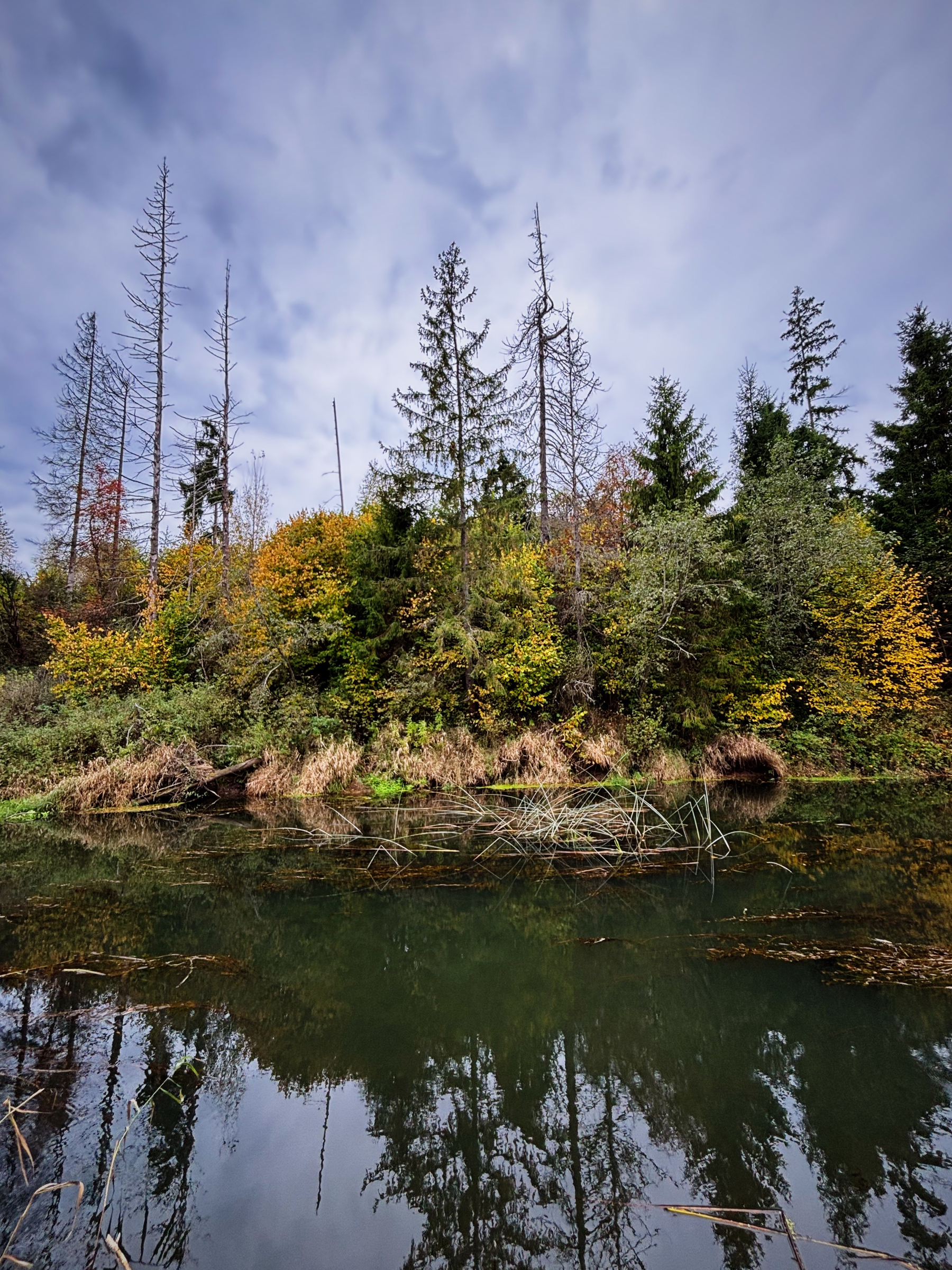
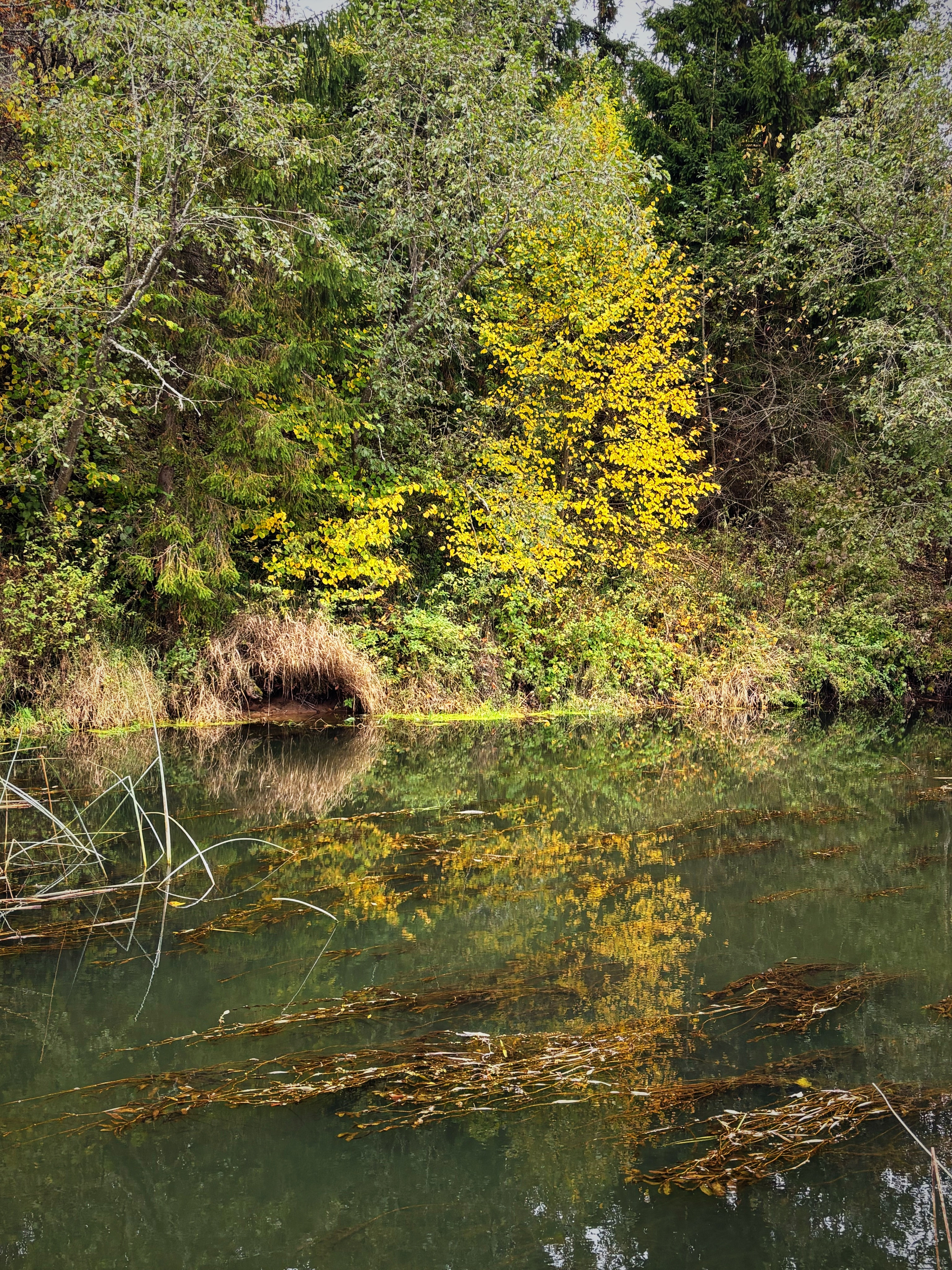
Got 3D-printed parts for PlottyBot today (https://ben.akrin.com/plottybot/), and ordered some mechanical parts. Looks like quite a big project for me, with lots of unfamiliar things (especially at the intersection of mechanics and electronics), but I’m really excited!
Recently I watched The History of Concrete with my partner, and we liked the movie a lot. Afterwards we discussed whether it is possible for #ai to create something like that.
And then it hit me that AI as we use it now has (mostly) left us with only one way to do things: via text. I like writing, but I also like drawing, painting, manipulating objects in 3D space, pressing keys on my midi-controller and so on. These are different modes of interacting with ideas and with the environment, different ways of thinking, I believe, and for me it feels really impoverishing to use only text instead. Again, I think it’s ok for the things you don’t really care about, for the things where only the result is important, not the process.
And I think that nowadays we underestimate the process a lot.
These have been tough weeks.
We had to move to another flat. It’s just a couple of bus stops from our previous one, but it’s still a big event:
- We had to dry and renew the floor after a flood in the new flat, and it took about a month. We also repaired and repainted the walls in one room.
- Of course we had to fix a lot of things that we and our cats had broken in our previous flat.
- We had to move our stuff to the new flat, which took an eternity. It turned out we have so much stuff!
This move and renovation cost us an impressive amount of money, but even more in terms of resources, and now I’m quite burned out. We still live among boxes with our stuff and it’s really hard to find something you want, but we don’t have the energy to sort everything at once, so we’re doing it extremely slowly. We still don’t have a washing machine because we need a plumber to come and fix the faucets.
Everything is different. Everyday routes and rituals are broken, which is great on the one hand (fresh start!) but expensive in terms of resources on the other.
That’s not bad, but I’m really tired.
#dailyphoto
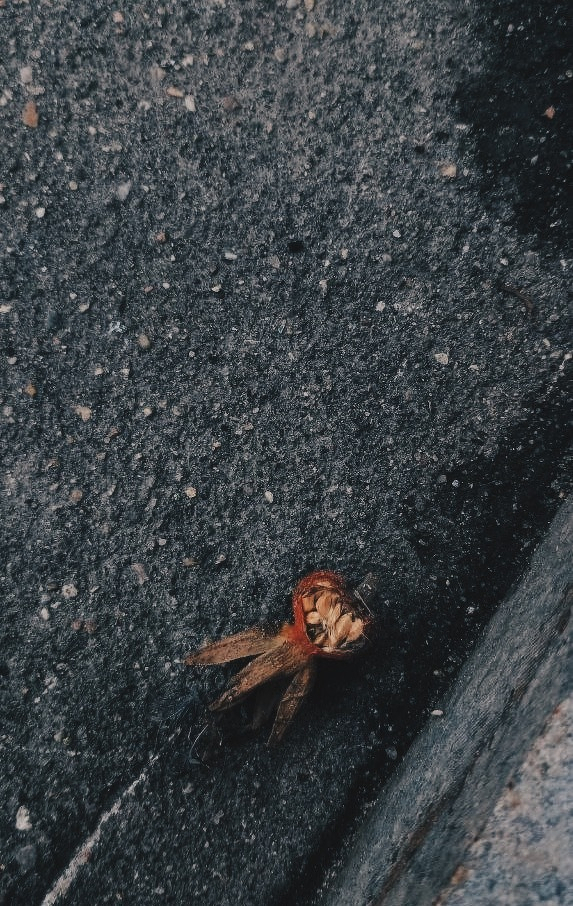
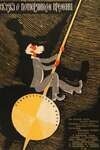
There is a Russian story “A Tale of Lost Times” (it turns out there is a movie too letterboxd.com/film/a-ta…) about children who were enchanted by evil old wizards and swapped bodies with them, so the children found themselves in the bodies of old people.
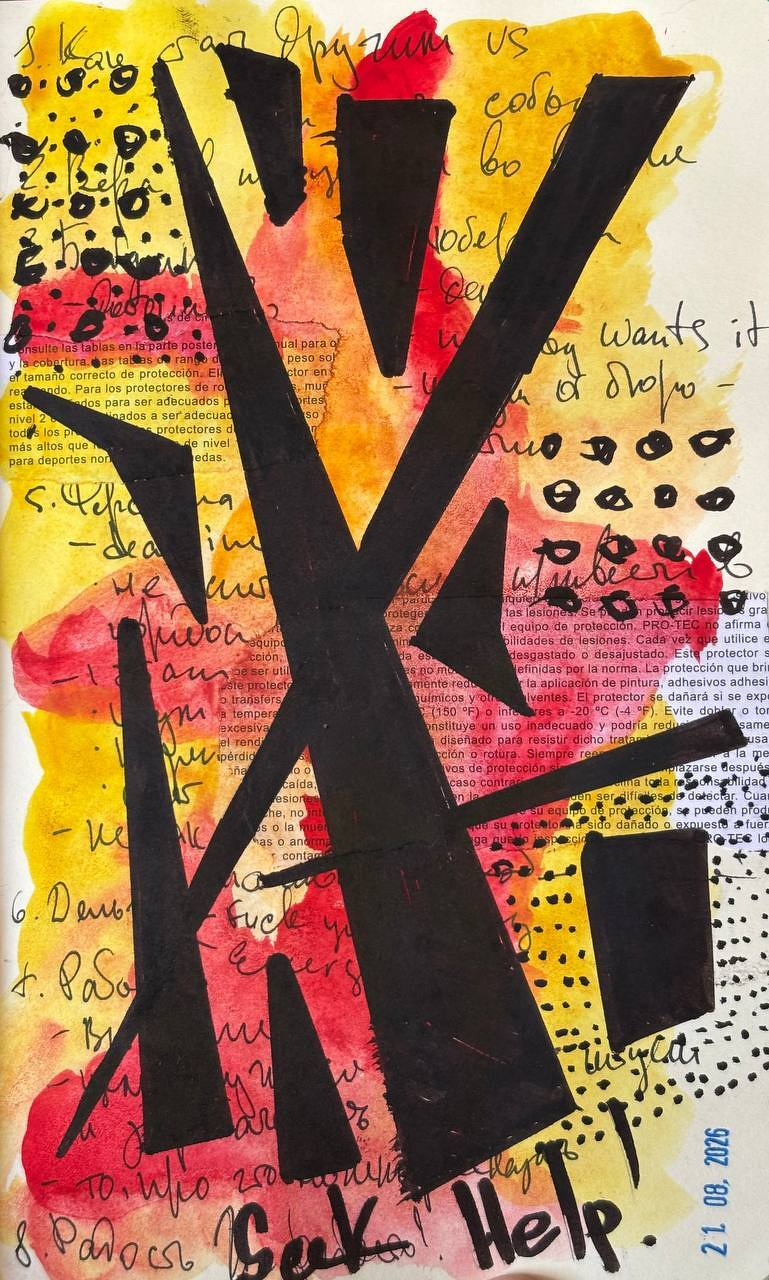
Today I realized that lately I’ve seen a lot of mature people who are actually children (including me!), and we are trapped in adulthood, and we have to deal with it when we are meant to play and enjoy life. Help! How do we get unenchanted?!
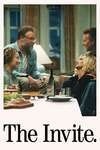
Watched “The Invite” yesterday. So funny and sad and true. i want Penélope Cruz to rule the world
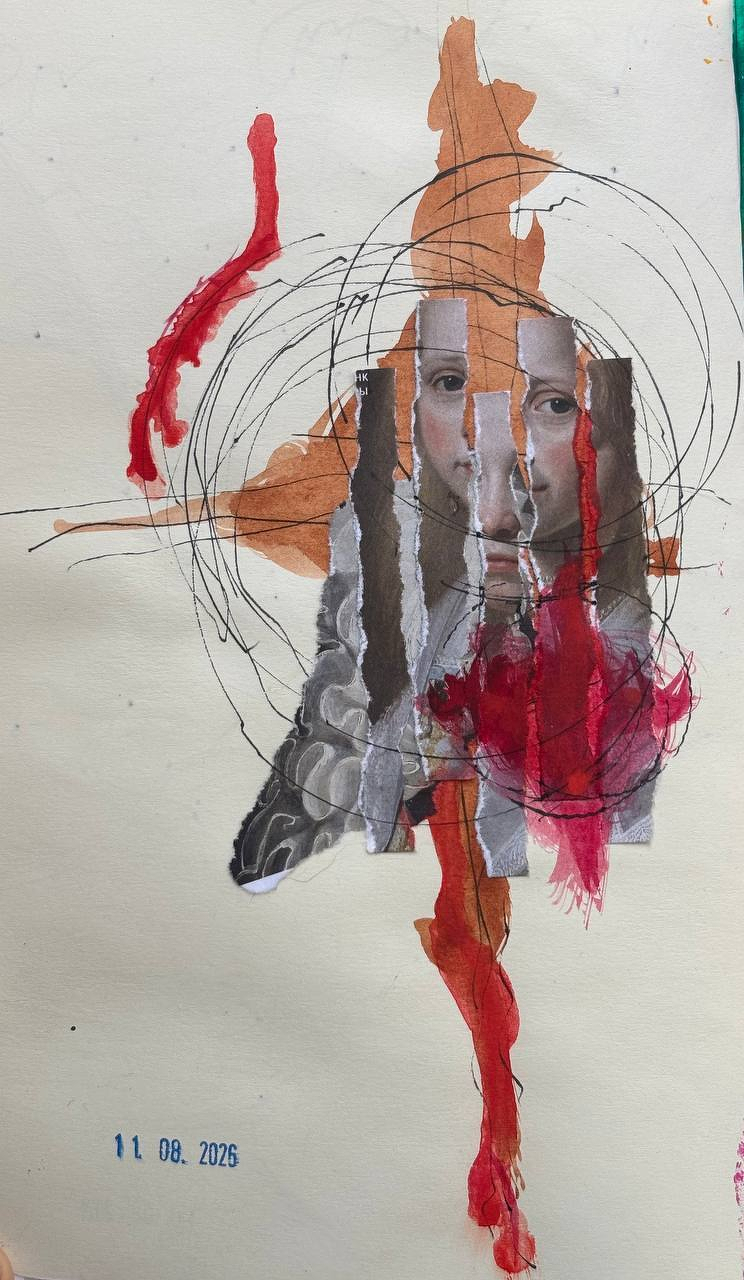
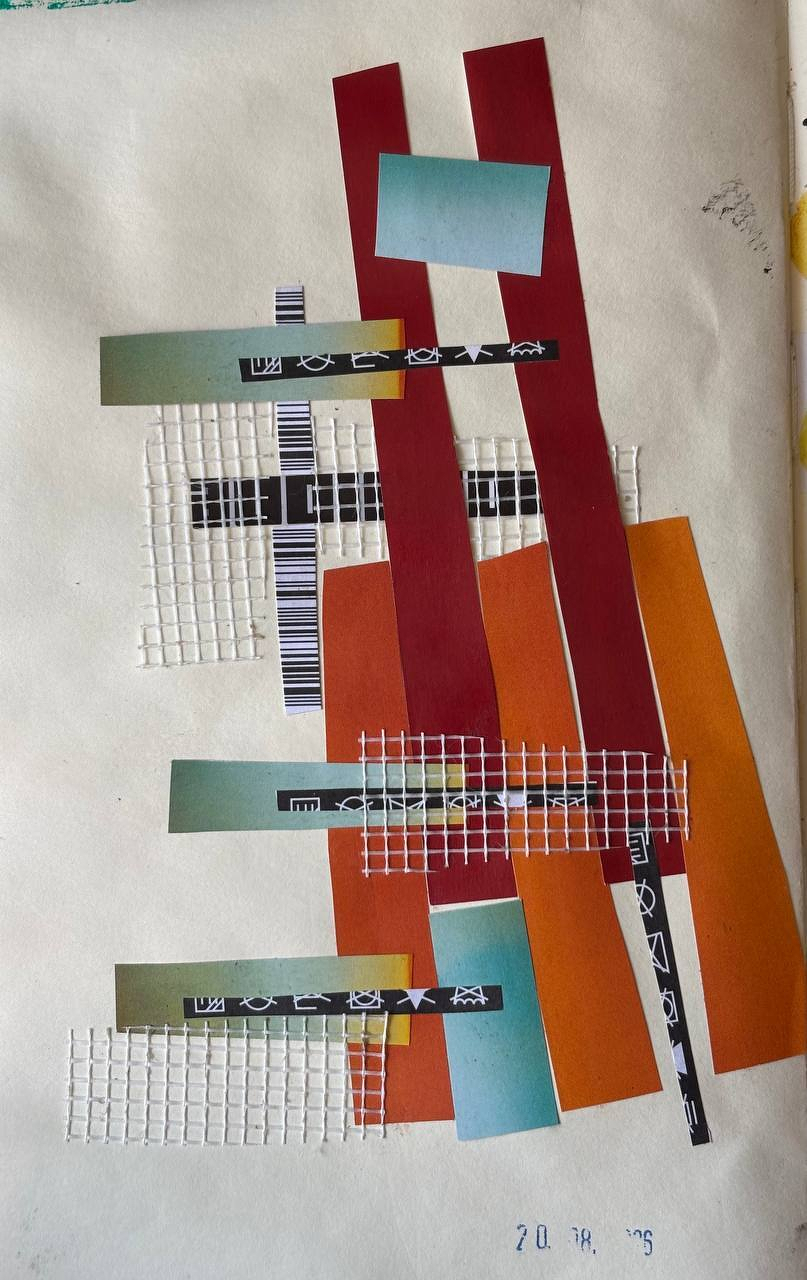
more quick morning collages. in each of them I tried a new idea, but I like only the one with the eyes. I almost never used faces or eyes in my collages before and I like the effect
#collage
Yesterday I stumbled upon dfos.com and I’m super excited. It really feels like the early internet, full of strange homepages, niche forums, HTML art, “under construction” GIFs. The idea of private communities is nothing new, but I like the implementation. The UX is weird, but in a pleasant way.
Yes, I have all the usual questions: who pays for this, and what happens when they run out of money or interest? Who has access to the data? What are their policies, can I be banned because I have the wrong passport or speak the wrong language (because I do)? And so on.
These are fair questions, but very sad ones, because they made me realize how far we’ve drifted from the free internet of the 90s, how far I’ve drifted from that naive 90s girl.
But nevertheless, I love the idea, and I’m really tempted to build something there, some community around the real-life experiences I miss so much.
And here comes another question: is it even possible to build a community on a marginal platform in 2026, when everyone is sick and tired, nobody trusts anybody, and nobody has the attention span for yet another internet place. But still, maybe I’ll try.
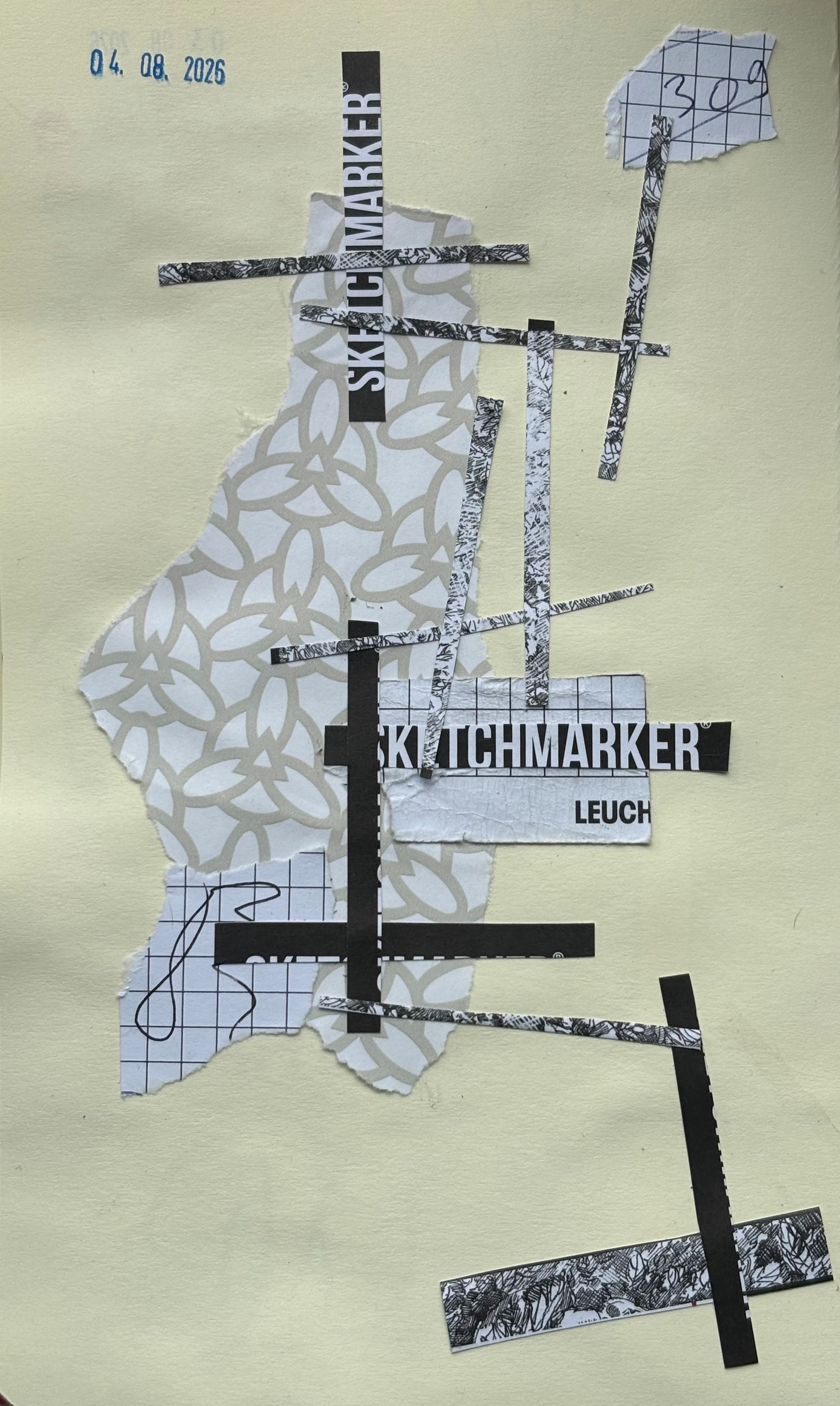
This #collage feels too nice, I want something really wild and rough, but I can’t do it properly yet
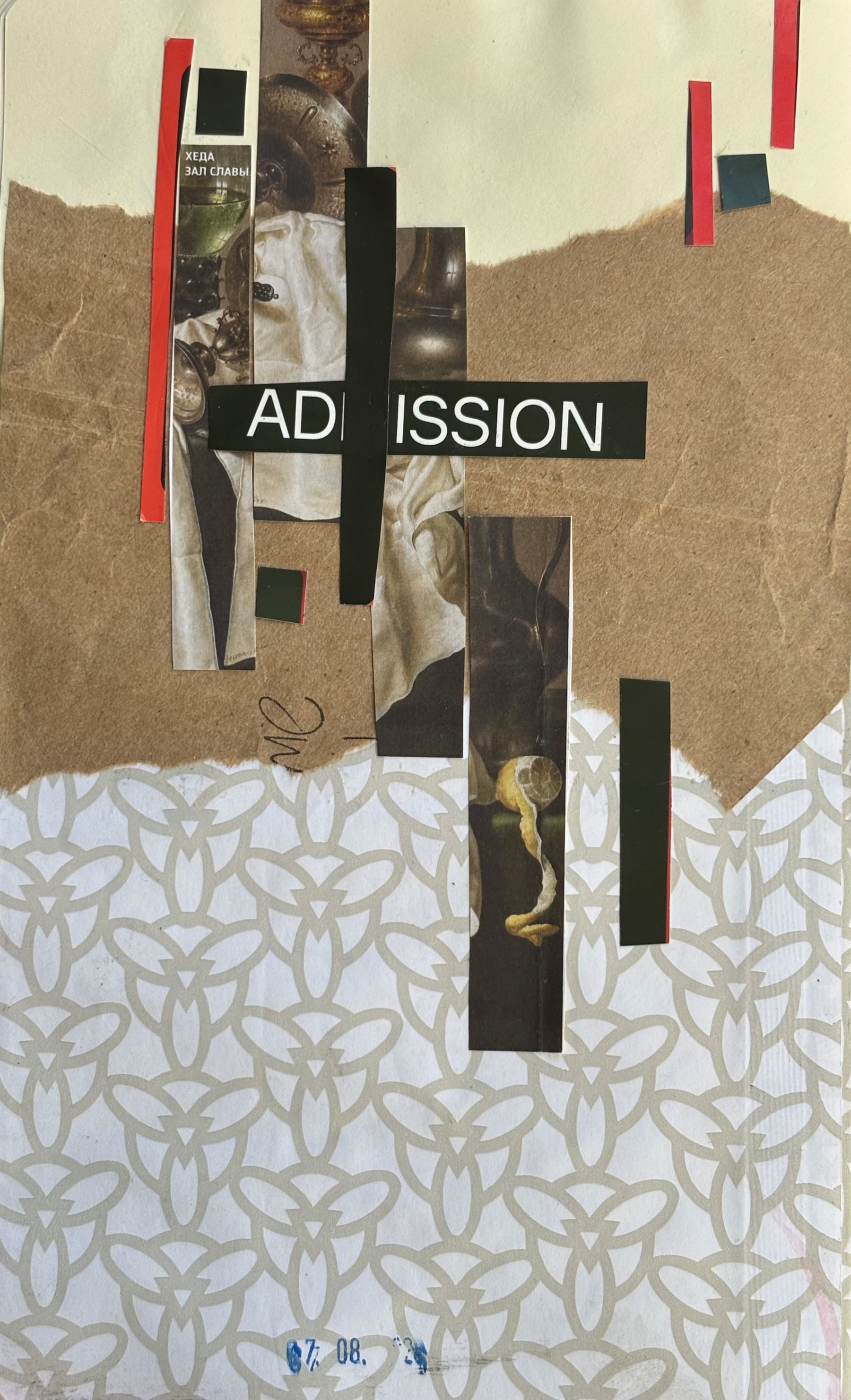
I’m 46 and I’m still struggling with “You are not your job” thing
That was a lazy #collage session. Just wanted to calm my mind
Yes, I have this type of shot on every #film: very shallow depth of field, no plot, just some plant or something like that. I know there’s nothing new in it but still I really love this thingness. I like that you can sink into this grain and these textures. I miss this feeling in my everyday life.
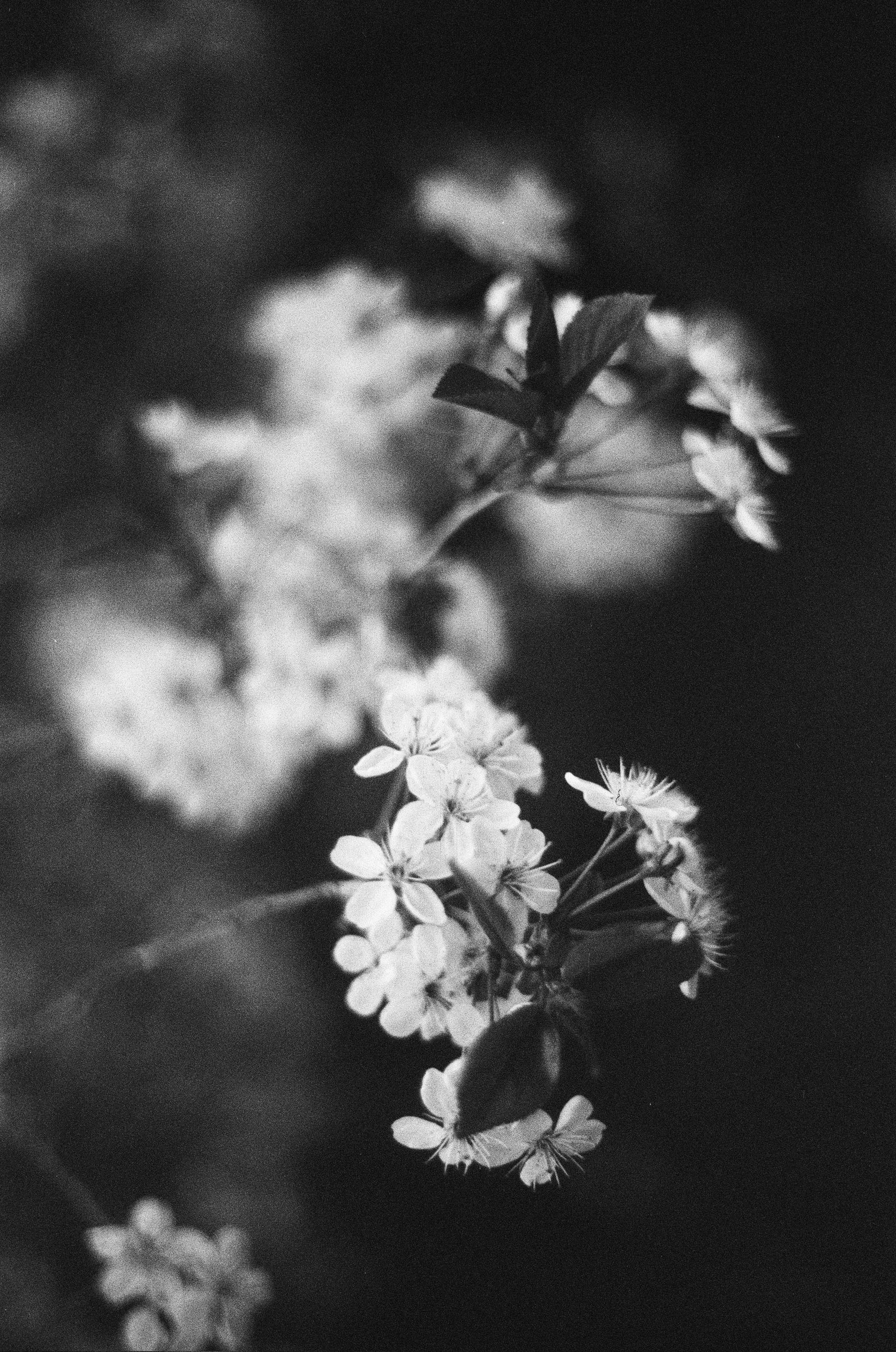
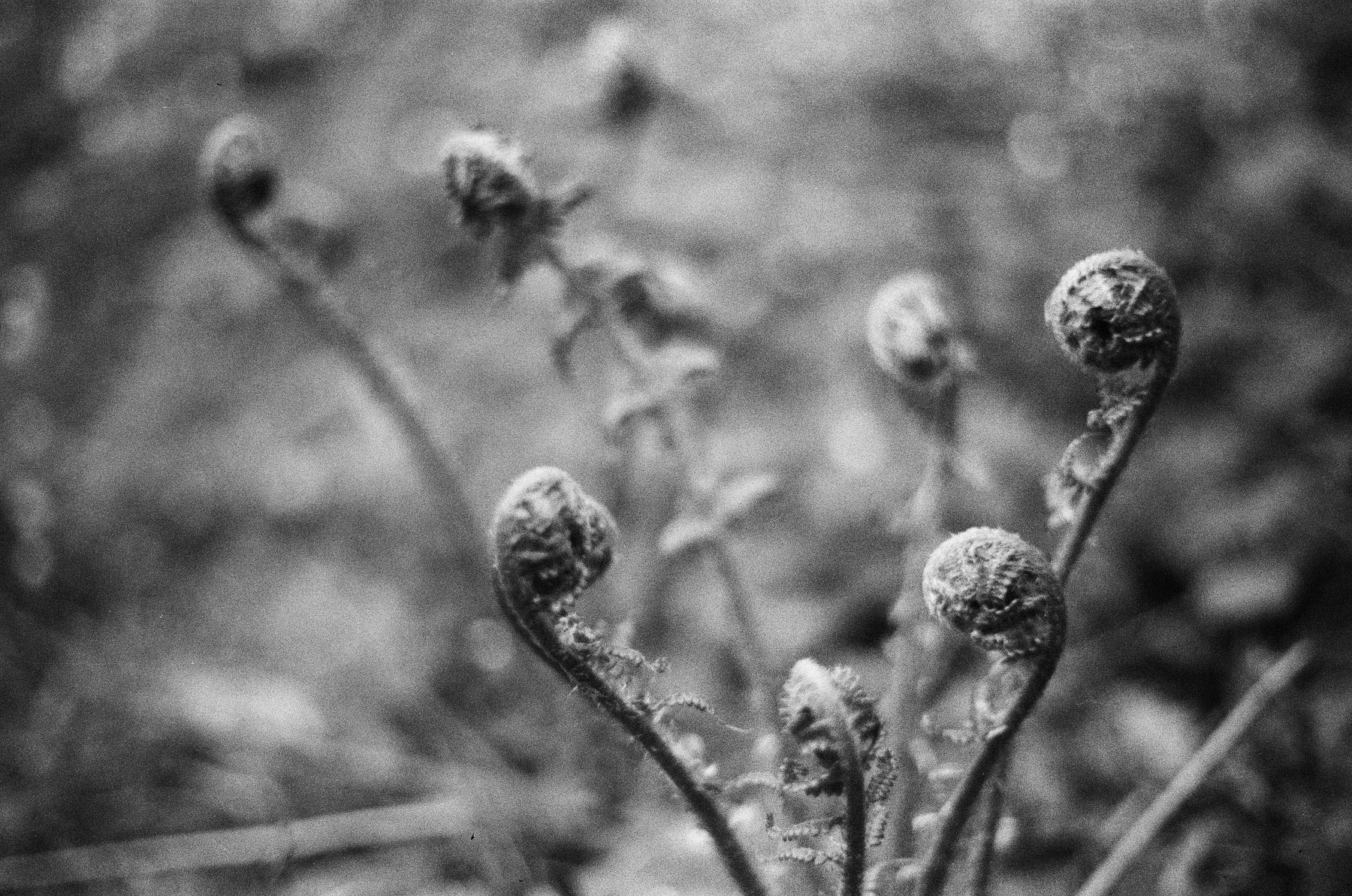
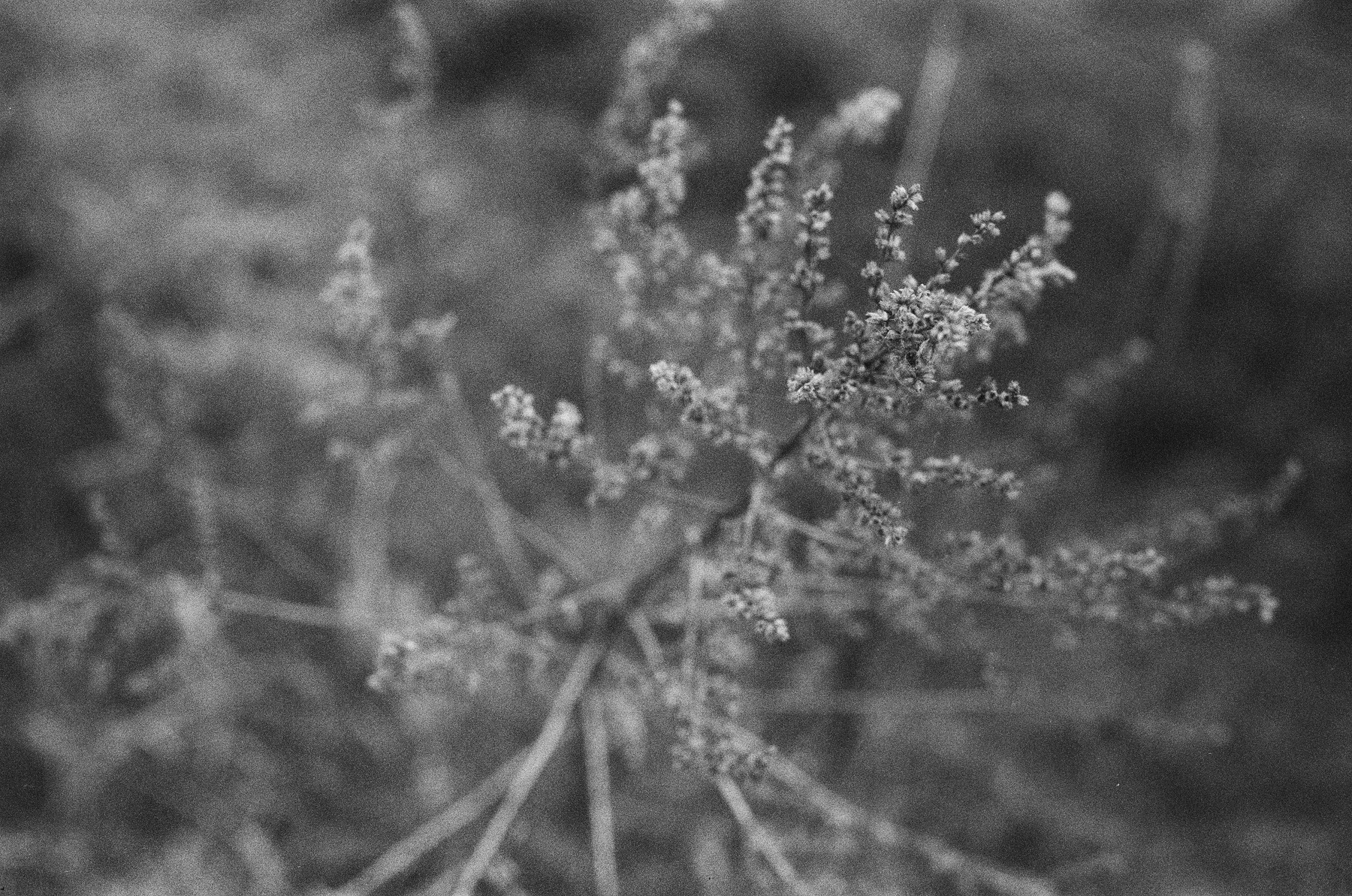
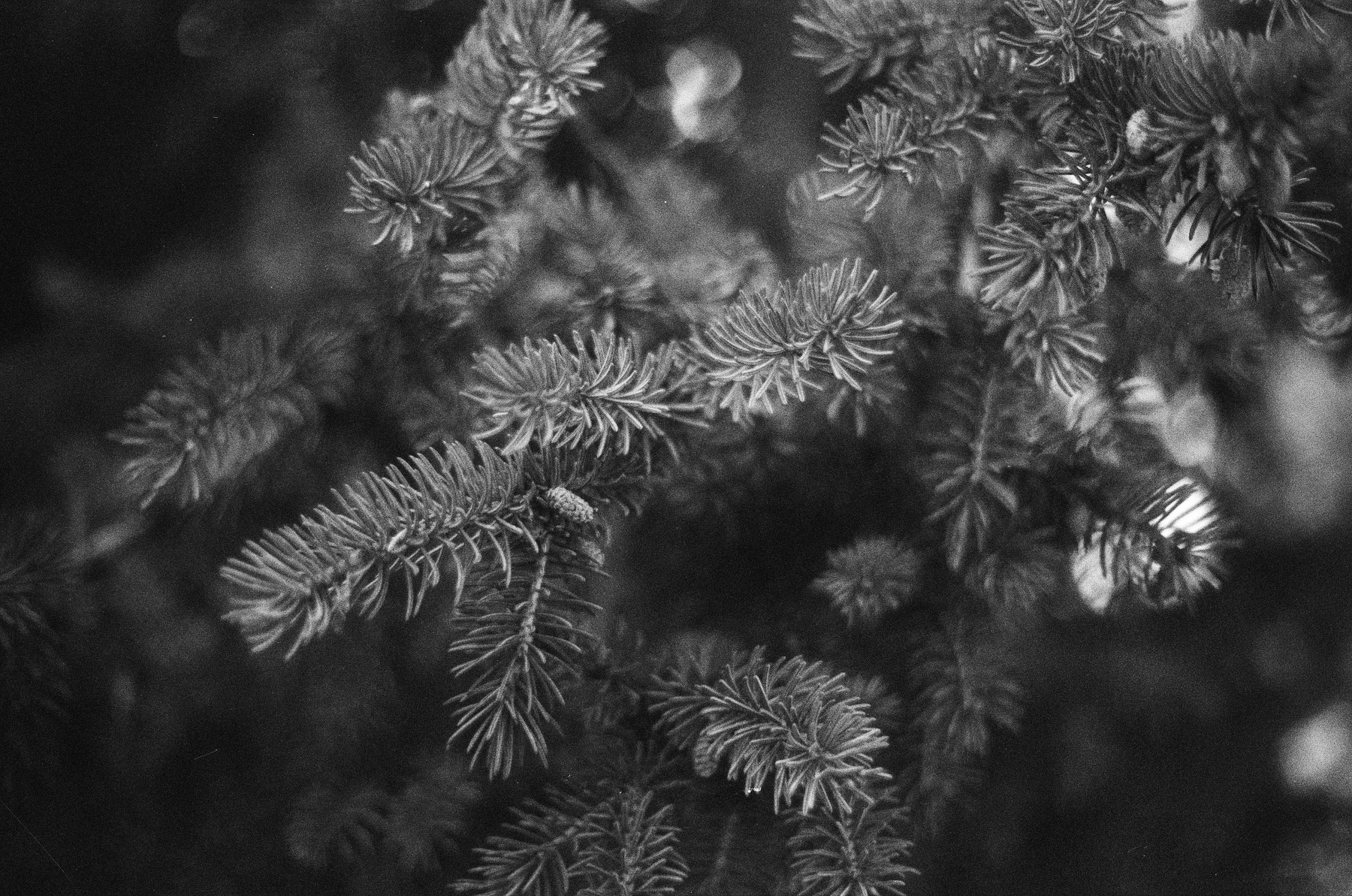
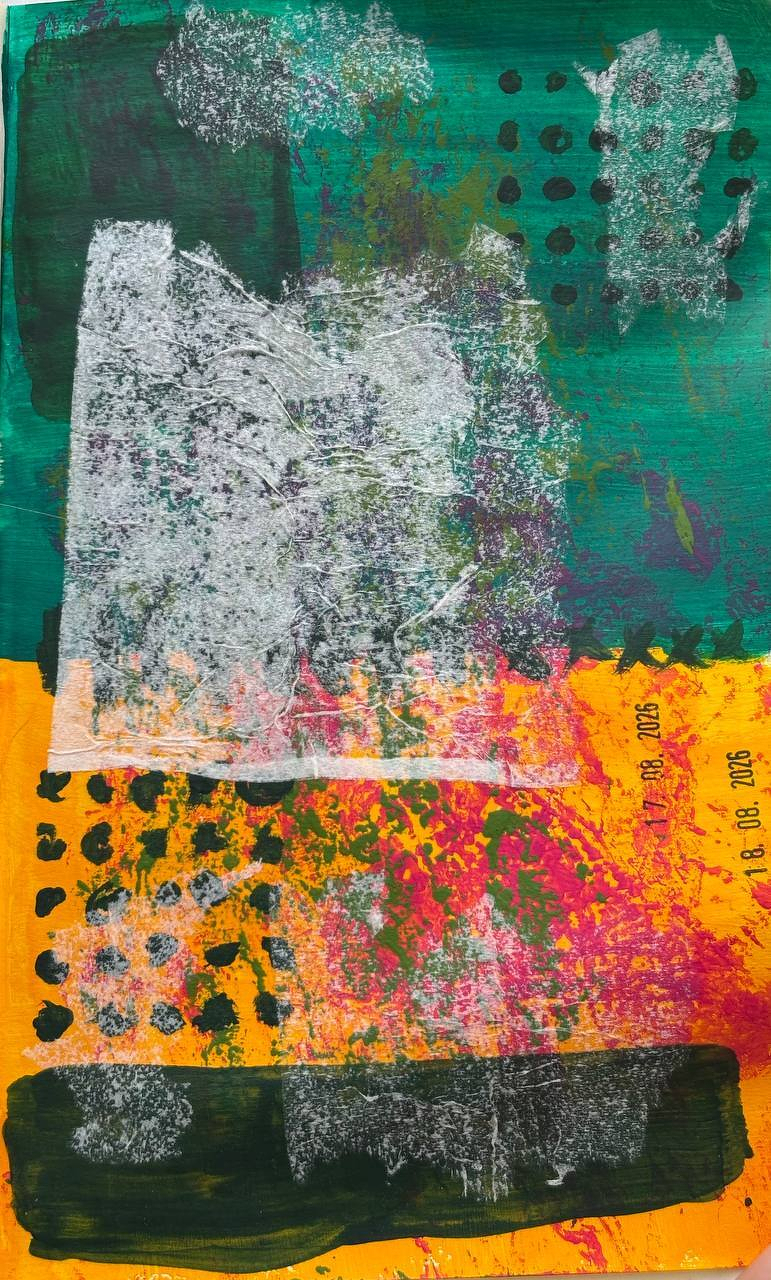
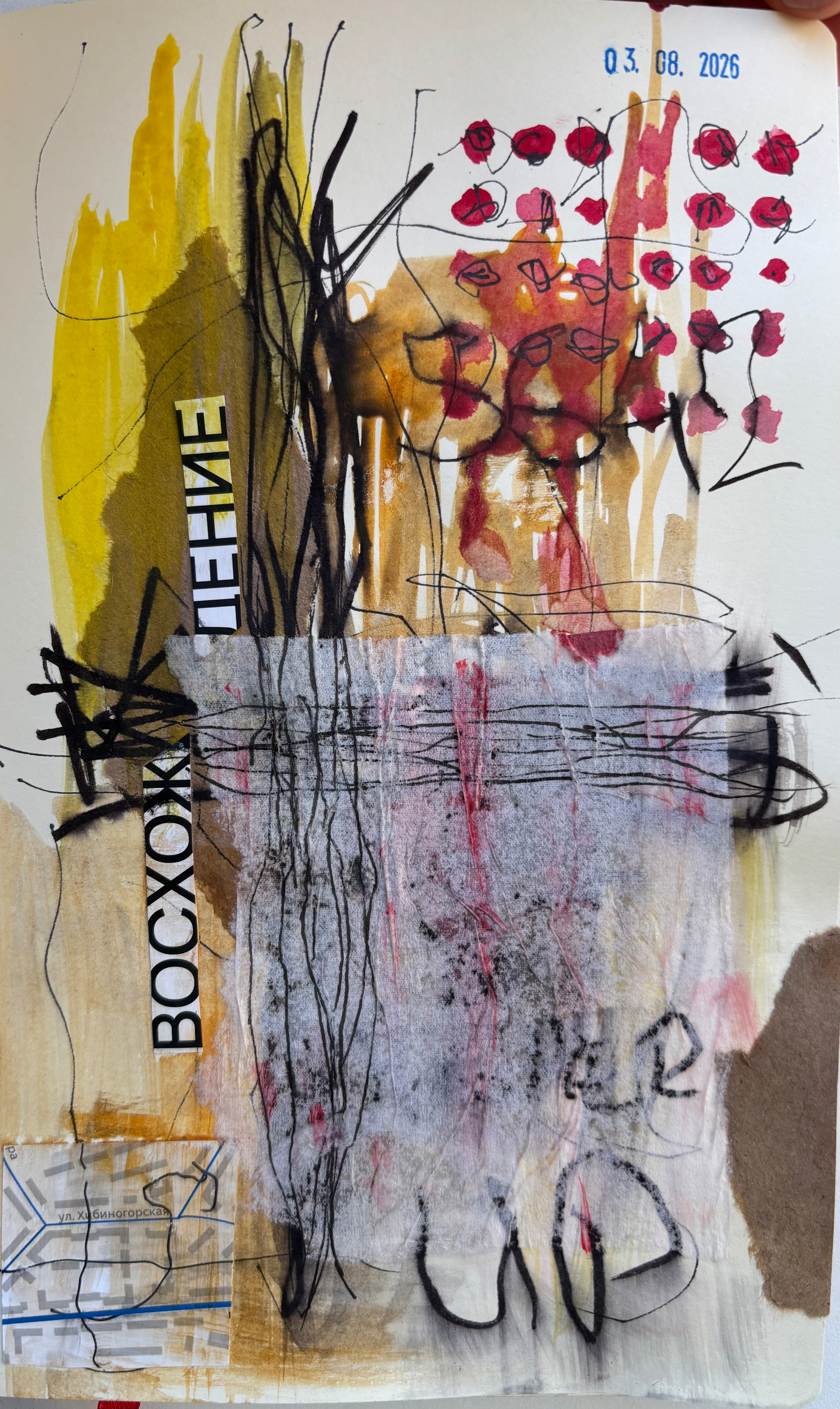
In this #collage I explored two of my recent discoveries further: layering paper tissues with matte gel and trembling linework
Watched: La Haine 🍿 Almost perfect except last spoken words. Don’t think this movie needs to explain itself
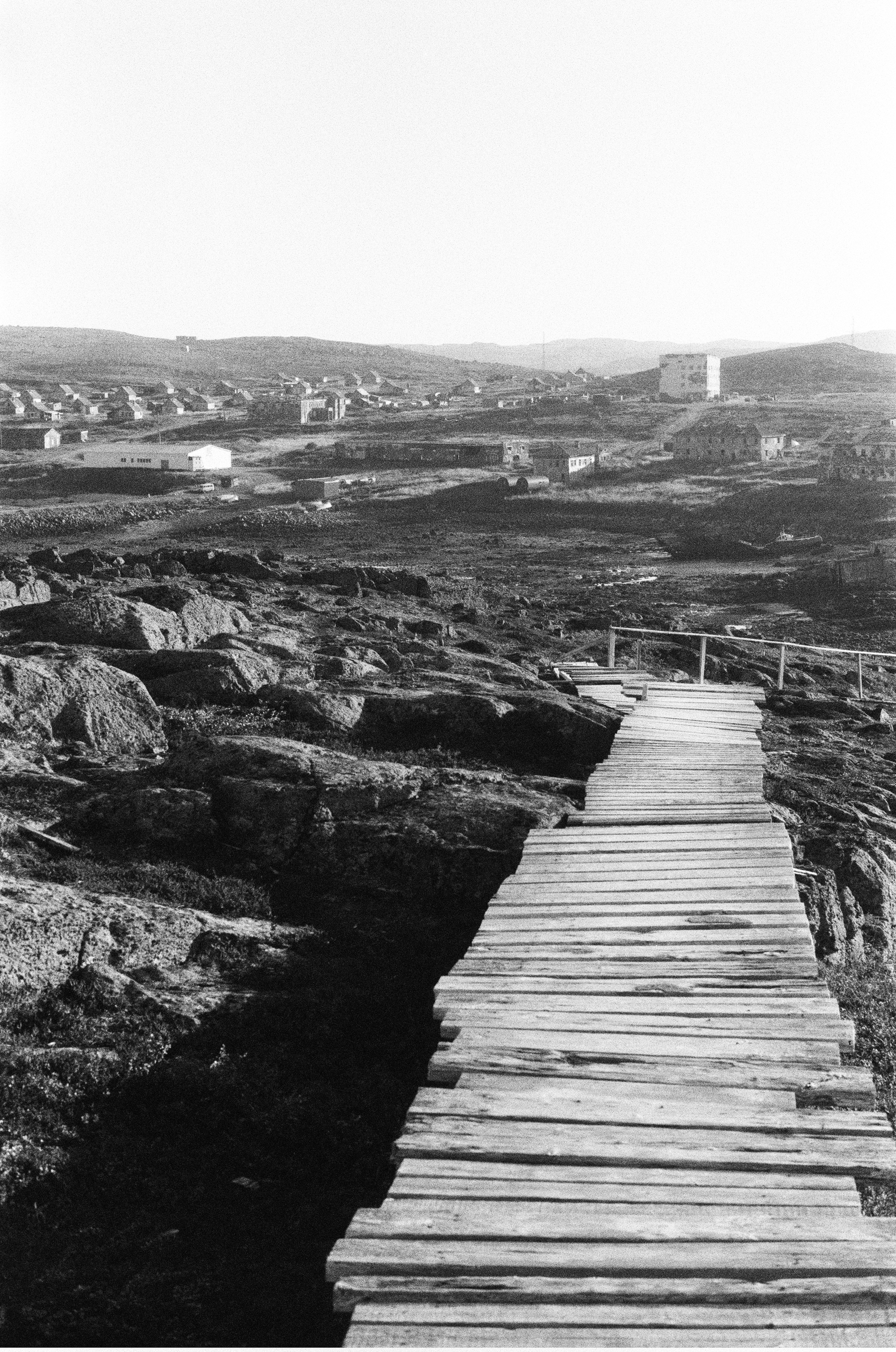
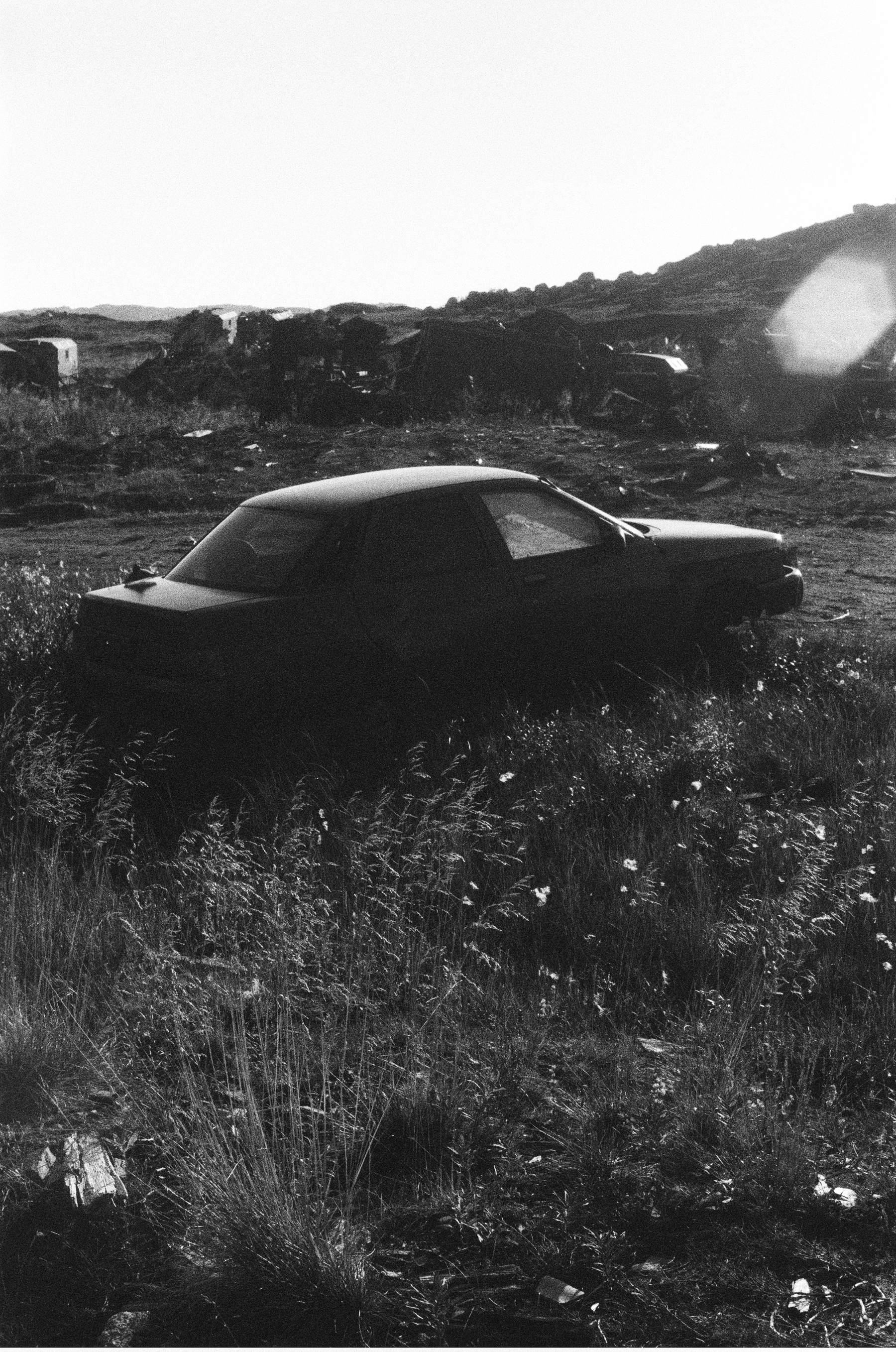
Another #film that sat in my camera for almost a year, so I forgot what I shot. I’m not good at shooting landscapes in bw, but I like these two shots